Minimalism
Minimalism
Books
Fashion
Interior
Architecture
History
Concept
Concept
Concept
Minimalism does not mean to have less - it means more space for the most important.
Minimalism is a way of life that is limited to the essentials, getting rid of the unnecessary. It includes only what is compatible with the most important values of your space and time. What is valuable to each of us is exclusively and unique.
"
Joshua Becker: "Minimalism is a conscious promotion of things that we love more and the elimination of everything that distracts us from them".
Minimalism refers to a lack of clutter or unnecessary detail. It has had a widespread influence, ranging from the arts to lifestyle. Minimalism is what should be personal and unique to everyone.
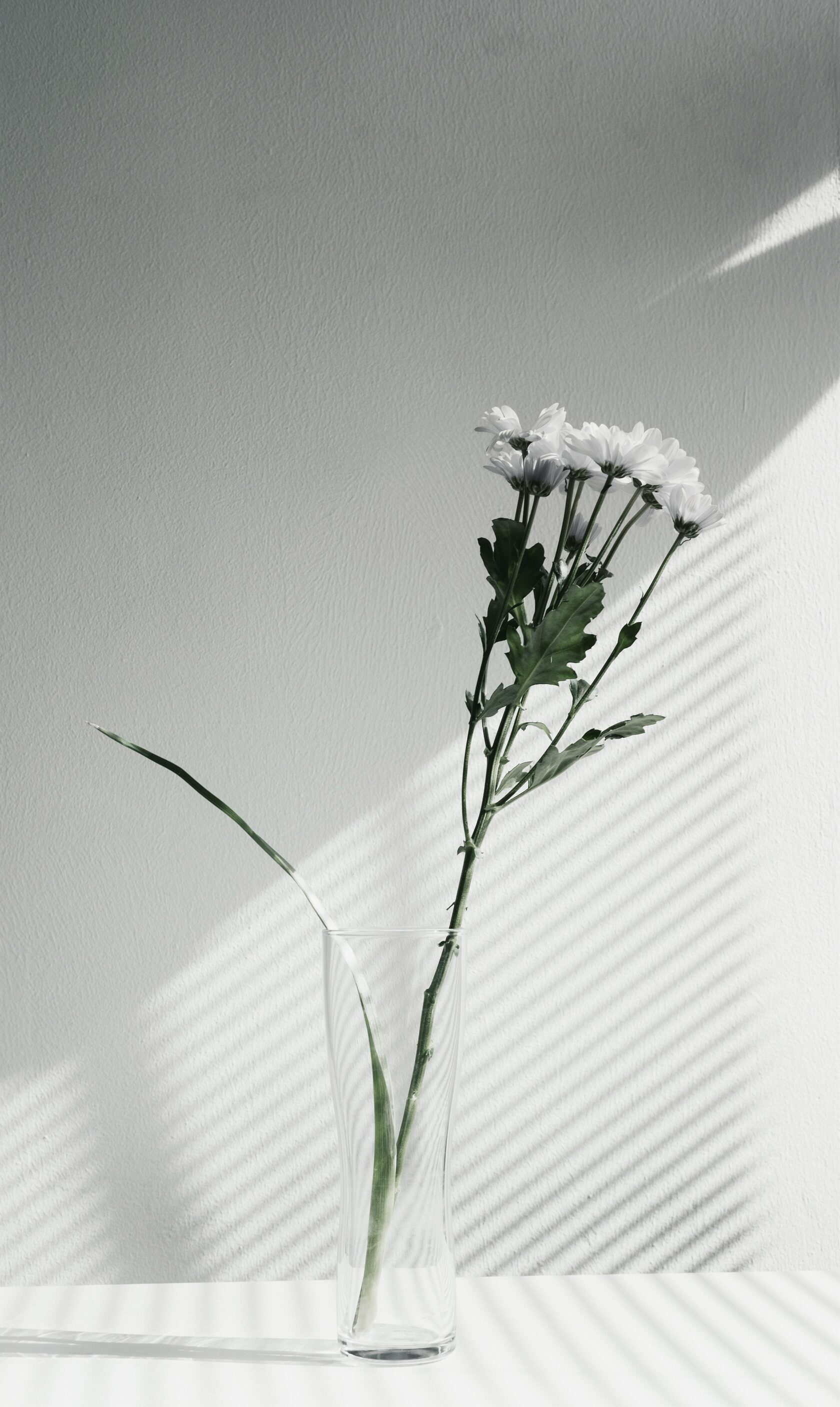
Minimalistic style in photography
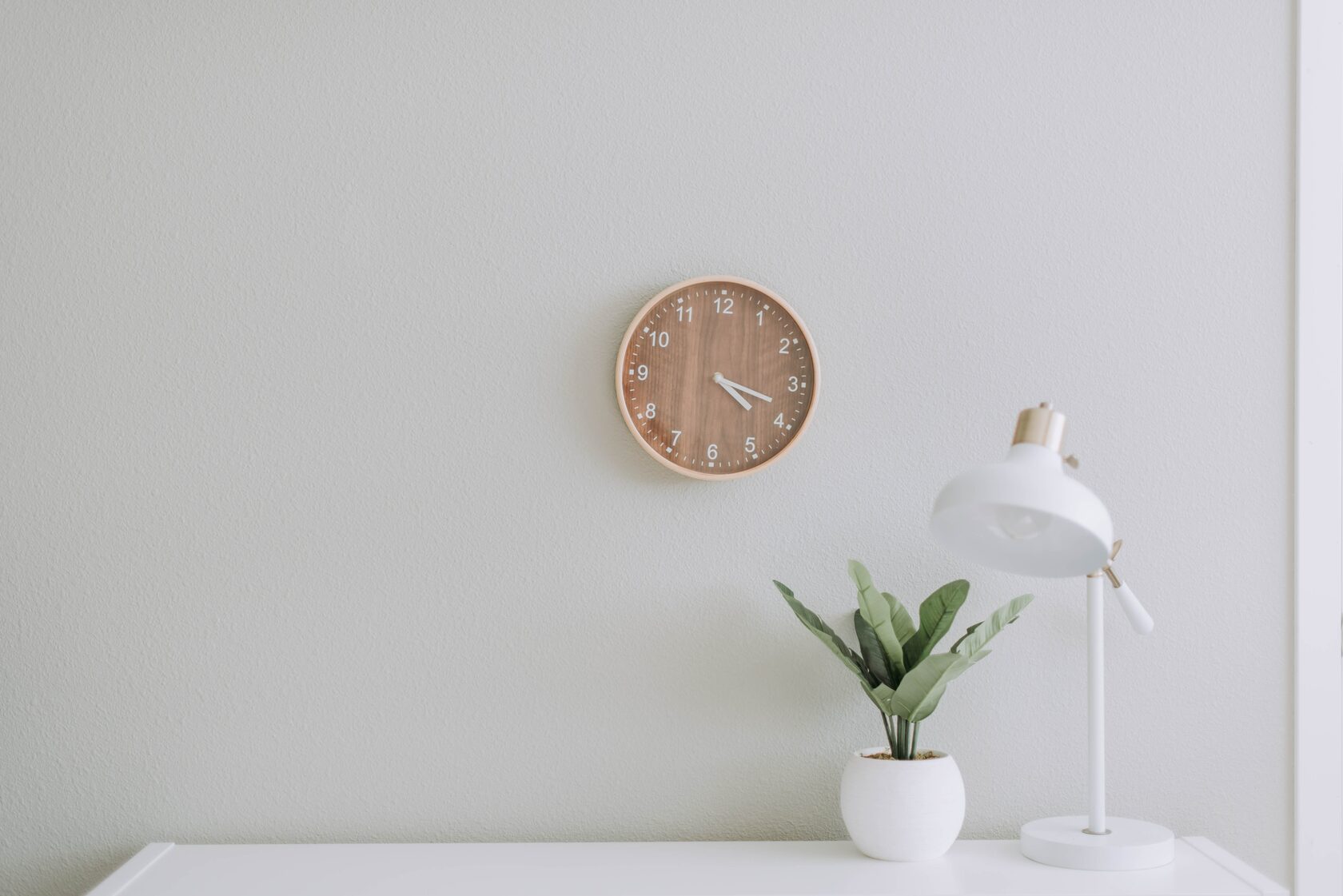
Minimalistic workspace
History
History

The first mention of minimalism in Europe appeared in the 18th century. In 1777 the German poet, philosopher and artist Johann Wolfgang Goethe created a sculpture in the garden of his summer house, which symbolizes a sphere - the emblem of mobility, supported by a cube - the emblem of stability. Goethe called this sculpture "Altar of Fortune".
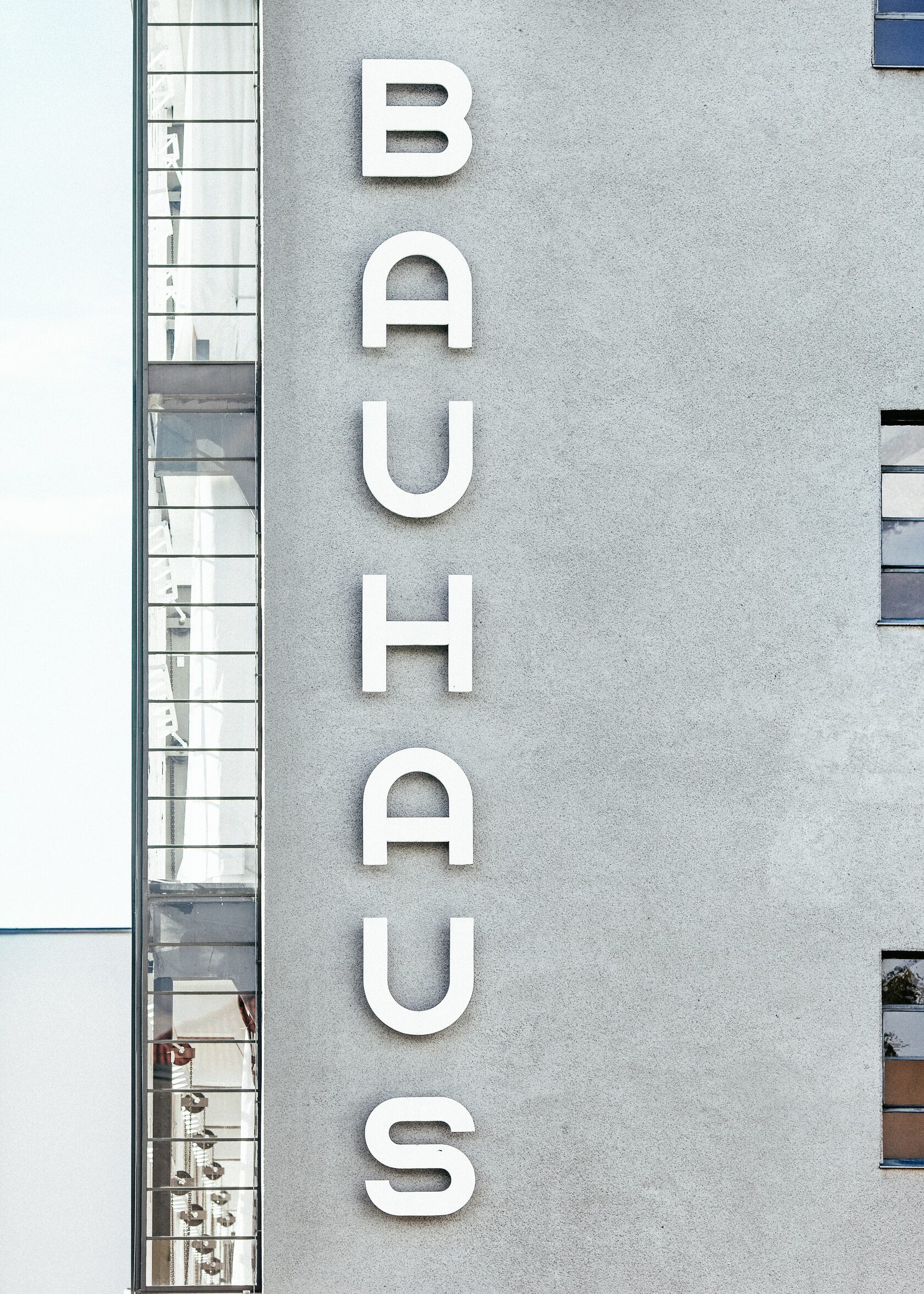
The Alma-mother of the minimalist style became the Bauchauhaus architectural institute in Germany, where the most daring and advanced designers of that time gathered. “Bauhaus (German "Bauhaus" - "House of Construction").
The boom of minimalism in many countries began in the mid-1960s of the last century. The minimalist design replaced the overly decorative style of modernity, which after the Second World War caused negative associations with bourgeois society. The pace and lifestyle have also changed - people rushed to simplicity and reliability.
The boom of minimalism in many countries began in the mid-1960s of the last century. The minimalist design replaced the overly decorative style of modernity, which after the Second World War caused negative associations with bourgeois society. The pace and lifestyle have also changed - people rushed to simplicity and reliability.
After the First World War, Europe finally discards the ideas of modernity with its decorativeness and adornment. The architecture of residential buildings is simplified, the interiors are freed from the magnificent decor. The style of minimalism seems to be a style of the future.
The main principle of minimalism is finding beauty in elementary geometric shapes, parallel lines, perfect purity of the right angle, in the classic simplicity of ideal proportions and freedom from random elements of space in combination with exquisite textures of expensive materials. The creator of this direction was the architect Ludwig Mies van der Rohe, who announced his work "Less means more" (Better less but better), describing the basic principle of Minimalism.
The main principle of minimalism is finding beauty in elementary geometric shapes, parallel lines, perfect purity of the right angle, in the classic simplicity of ideal proportions and freedom from random elements of space in combination with exquisite textures of expensive materials. The creator of this direction was the architect Ludwig Mies van der Rohe, who announced his work "Less means more" (Better less but better), describing the basic principle of Minimalism.
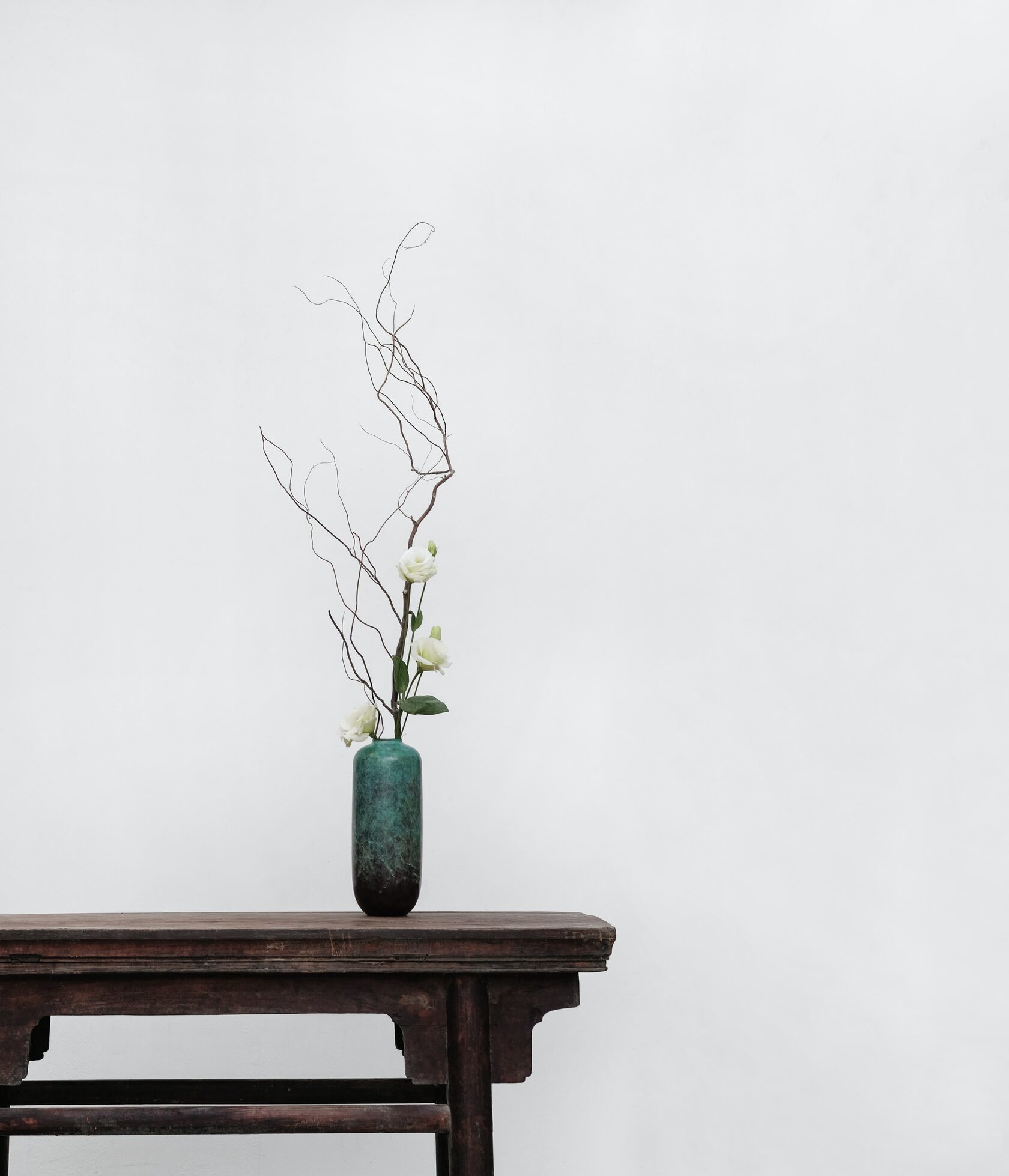
Japanese minimalism
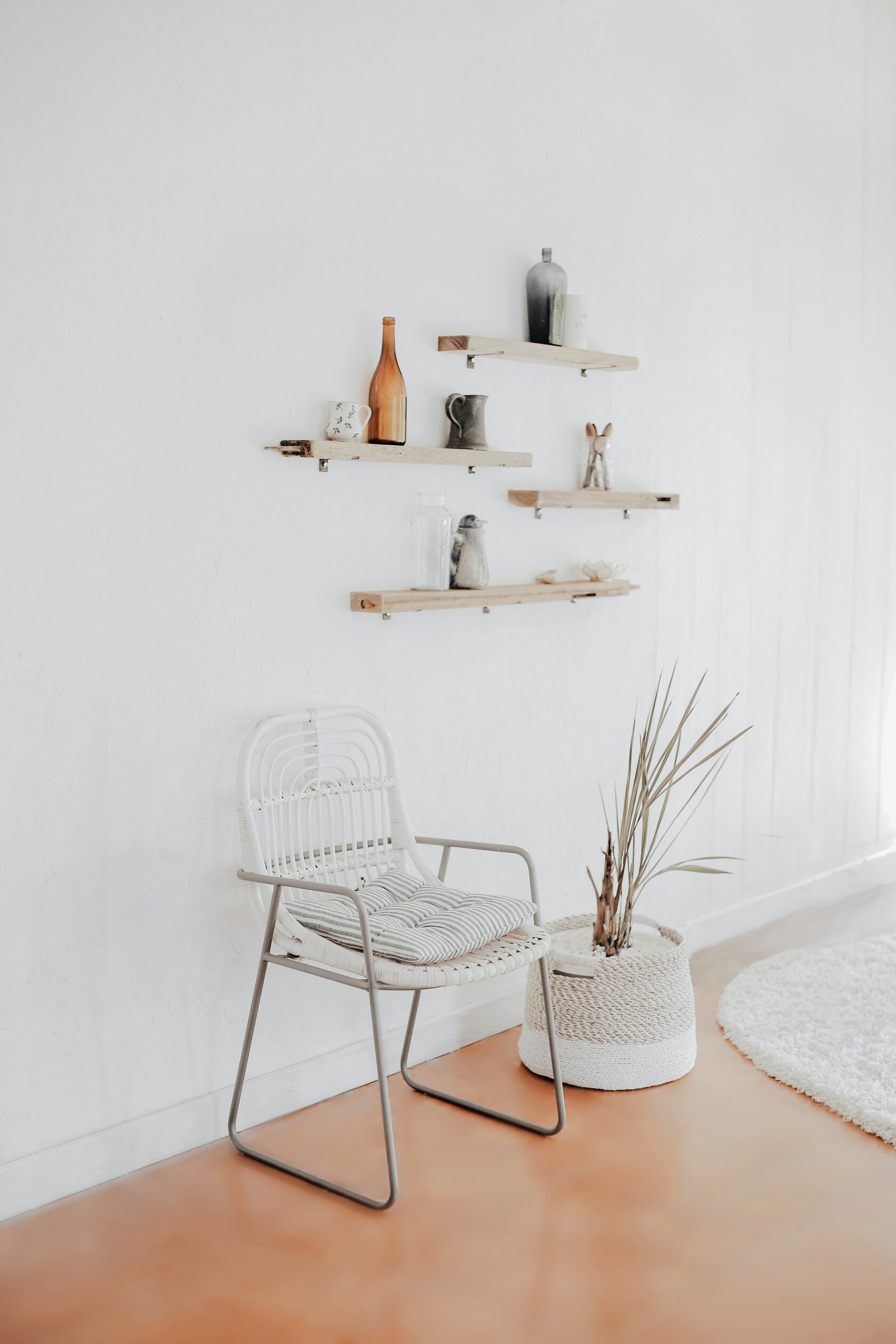
Scandinavian minimalism
Scandinavian minimalism was affected by the northern climate and lack of sunlight. Swedes, Finns and Danes in the 19th century began to prefer spacious rooms in light colours. This type of minimalism is perhaps the cosiest variety of this style. Room flowers, soft rugs and pillows will be appropriate here.
The ideas of minimalism came to Europe from mysterious Japan. In this country, with a special contemplative philosophy and frequent earthquakes, people came up with light and mobile homes created from bamboo and paper. They were easy to carry and restore.
The conceptual development of the theory and practice of minimalism as a view of art was laid by artists such as Kazimir Malevich and Marcel Duchamp in the twentieth years of the 20th century.
The beginning of the 20th century is characterized by the emergence of new technologies and the rapid growth of the industry. All segments of the population are now actively involved in the social life of society the lifestyle is largely rid of conventions and simplified.
The beginning of the 20th century is characterized by the emergence of new technologies and the rapid growth of the industry. All segments of the population are now actively involved in the social life of society the lifestyle is largely rid of conventions and simplified.
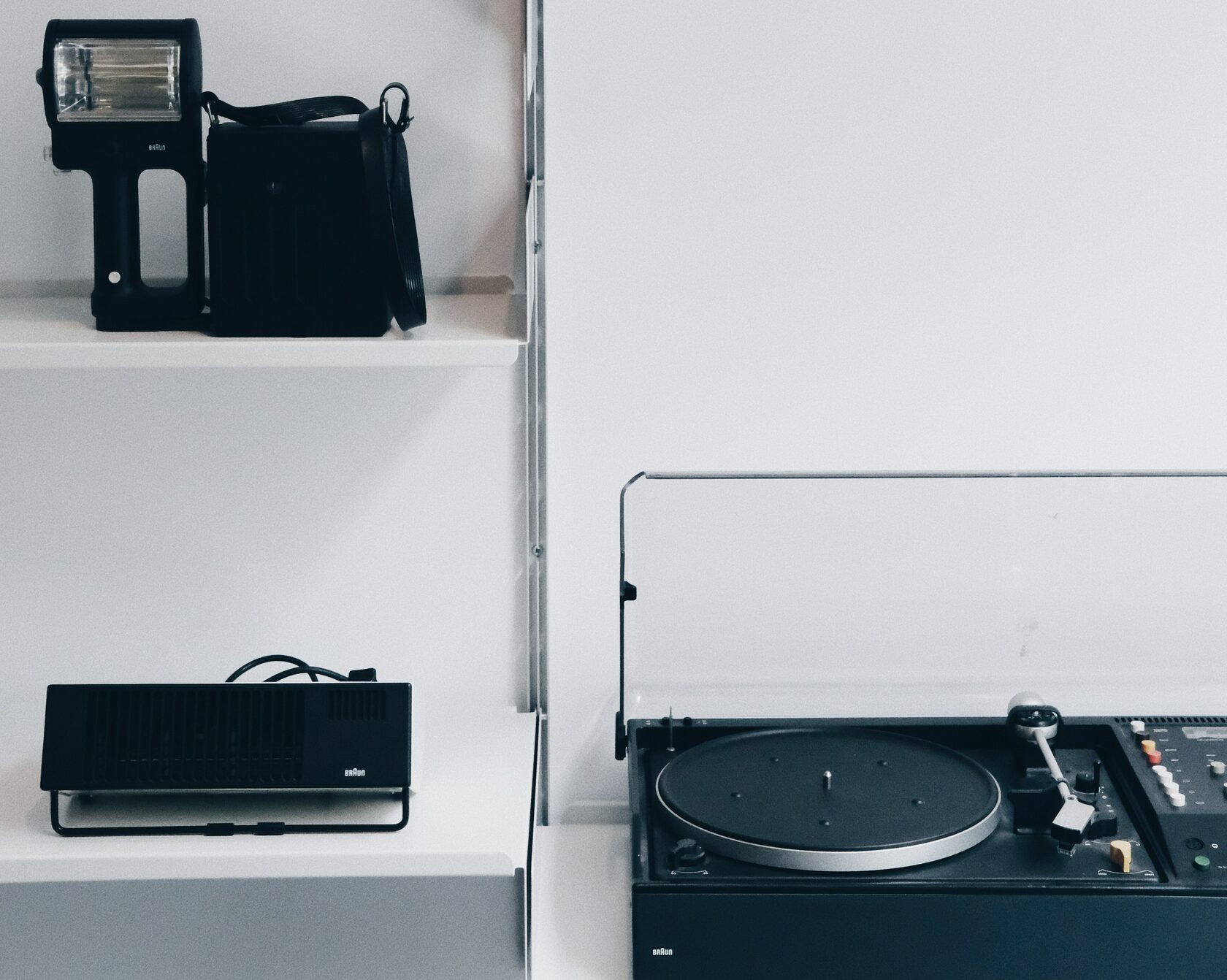
Braun products of the 1960s
Scandinavian minimalistic interior elements
The Altar of Fortune - a sphere on a cube
Japanese minimalistic interior elements
Bauhaus - the Alma-mother of the minimalist style
The first company to spread minimalist trends in serial industrial design was the West German company Braun, a manufacturer of electro- and audiovisual equipment. In 1964, the Museum of Modern Art in New York hosted an exhibition of Braun products, which finally confirmed the triumph of minimalist aesthetics in serial design.
Contrary to popular belief, the style was not inspired by either asceticism or poverty. His first followers were wealthy and rich people. Being able to acquire anything they liked, they reasoned like this: I can buy a lot, but I won’t do it. It’s better to get one thing, but worth the attention.
Contrary to popular belief, the style was not inspired by either asceticism or poverty. His first followers were wealthy and rich people. Being able to acquire anything they liked, they reasoned like this: I can buy a lot, but I won’t do it. It’s better to get one thing, but worth the attention.
Architecture
Arcitecture
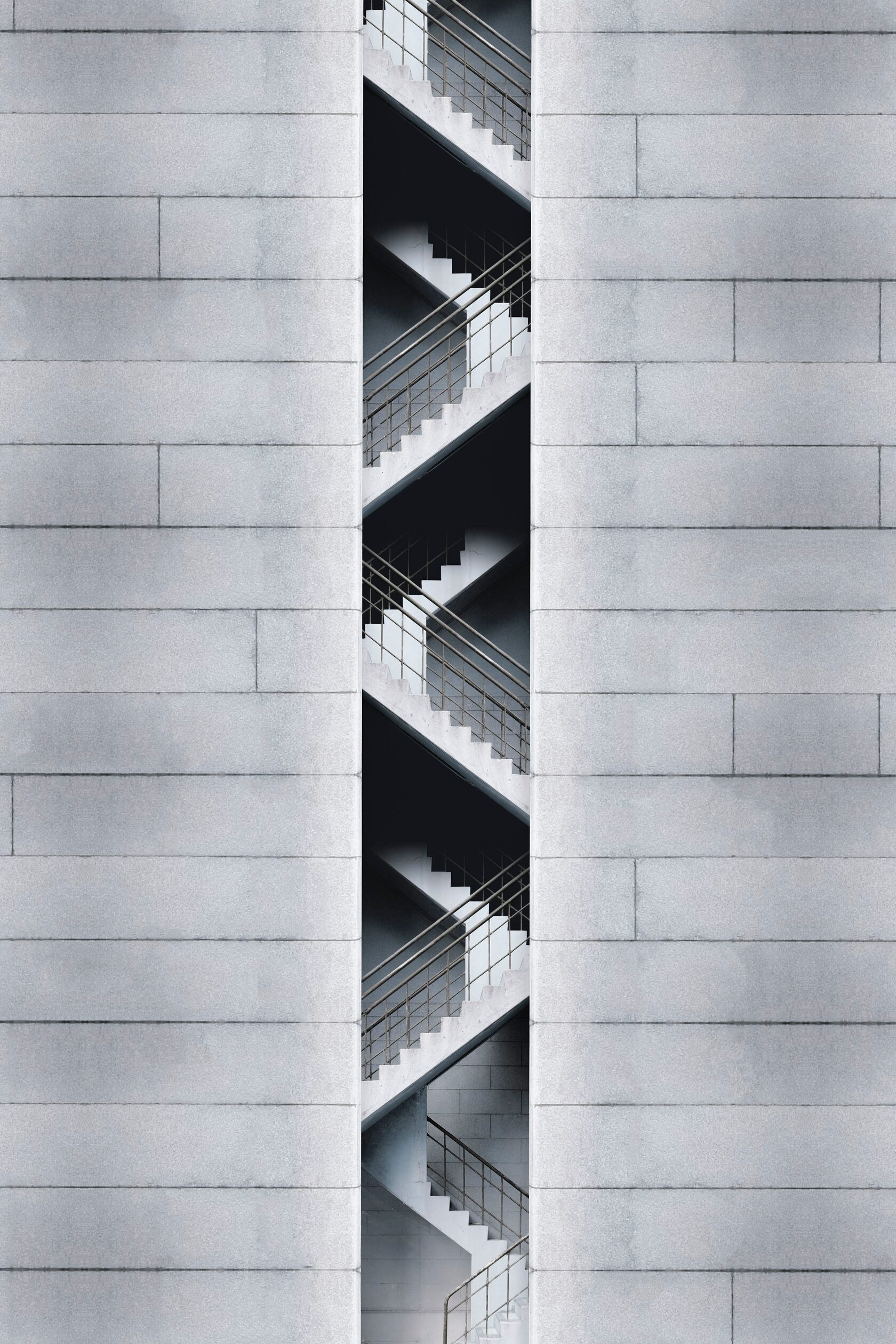
Lines
Factories
Geometric shapes
Tenderness
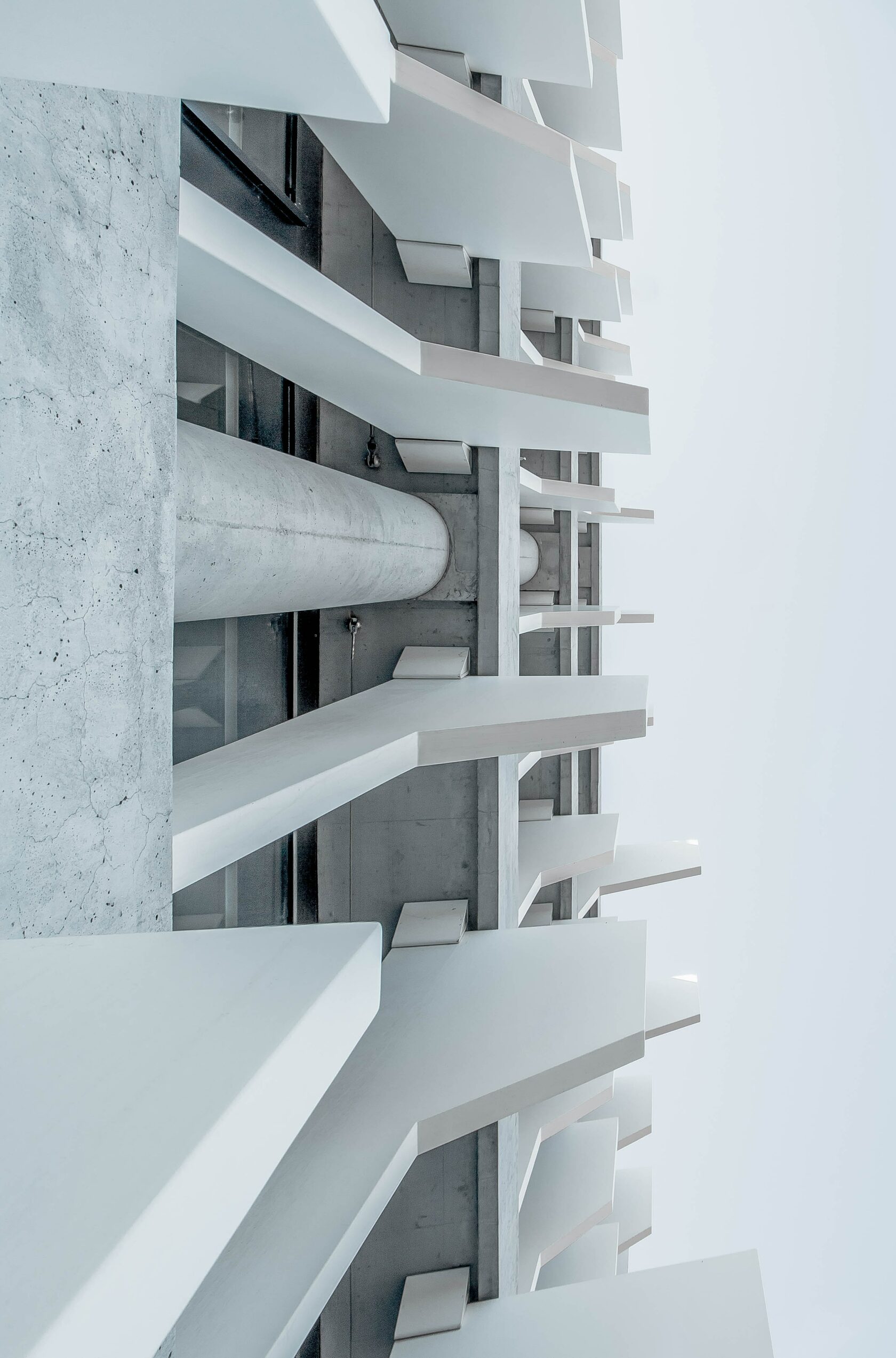
The most common materials are concrete and glass. Since beauty lies in laconicism, simplicity and naturalness, decorative elements such as stucco are excluded. However small parts made from natural materials are allowed. It can be door handles, neutral stained-glass windows - they give the house individuality and exclusivity.
Thin and neat, emphasizing the nature of the house.
Natural, but maximally identified.
They should be simple and concise: flat roof, rectangular window and doorways.
Typically, such houses consist of one or two floors. This is due to the convenience of operating the building: you don’t have to worry that a small child or an elderly person will overcome a potentially dangerous stairwell, conducting communications to such a house is much easier, faster and cheaper.
Buildings in the minimalist style are often called "boxes". But not everything is as primitive as it seems at first glance - the emphasis is consciously shifted to contemplating the ideal geometric shape and beauty of natural textures. Features of architectural buildings in the style of minimalism:
Color
Usually the larger the building, the brighter its exterior decoration. But the fashion includes facades of noble shades of grey color, as well as with decoration made of natural wood.
Flights of stairs
Minimalistic colors and shapes
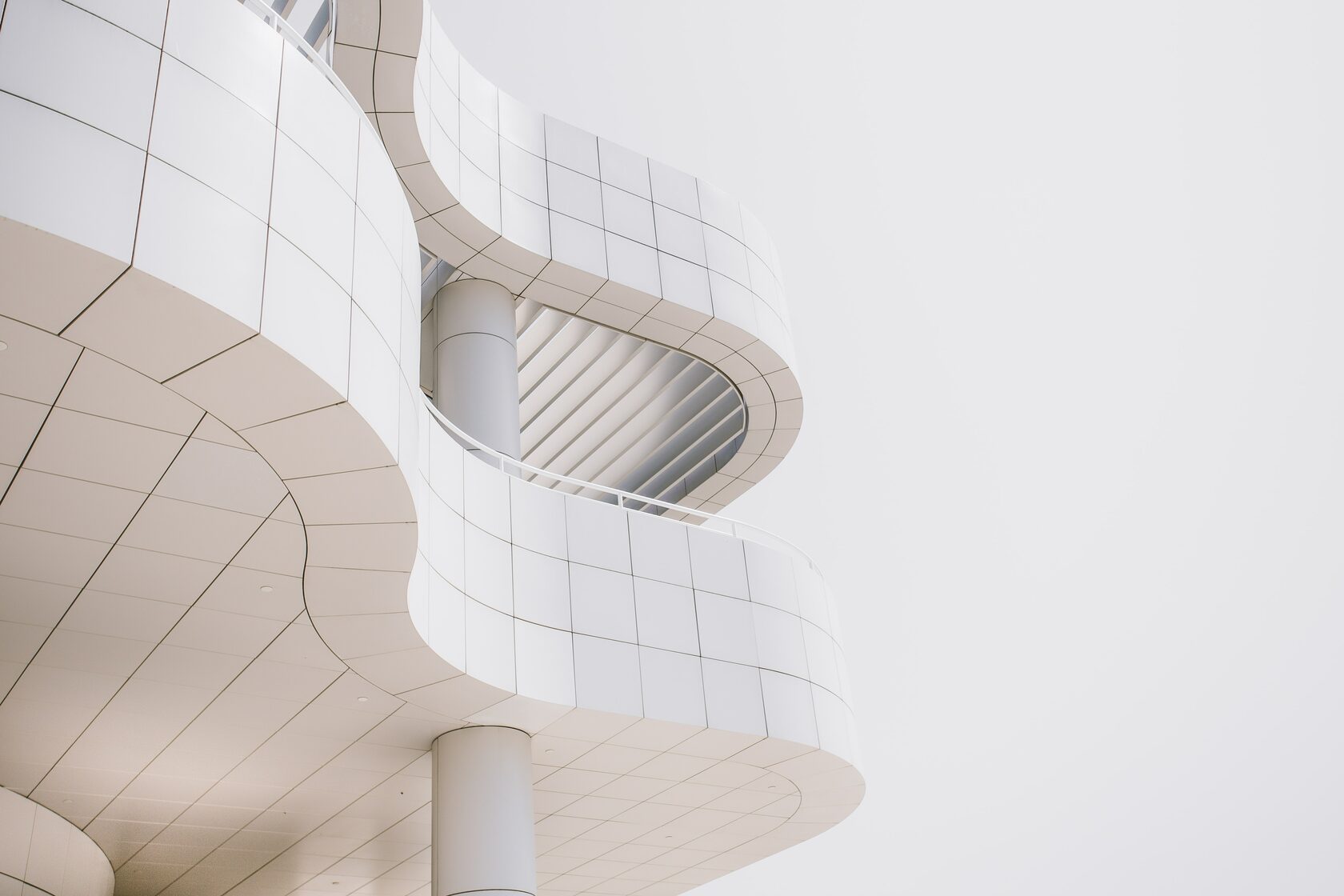
The rounded building
Interior
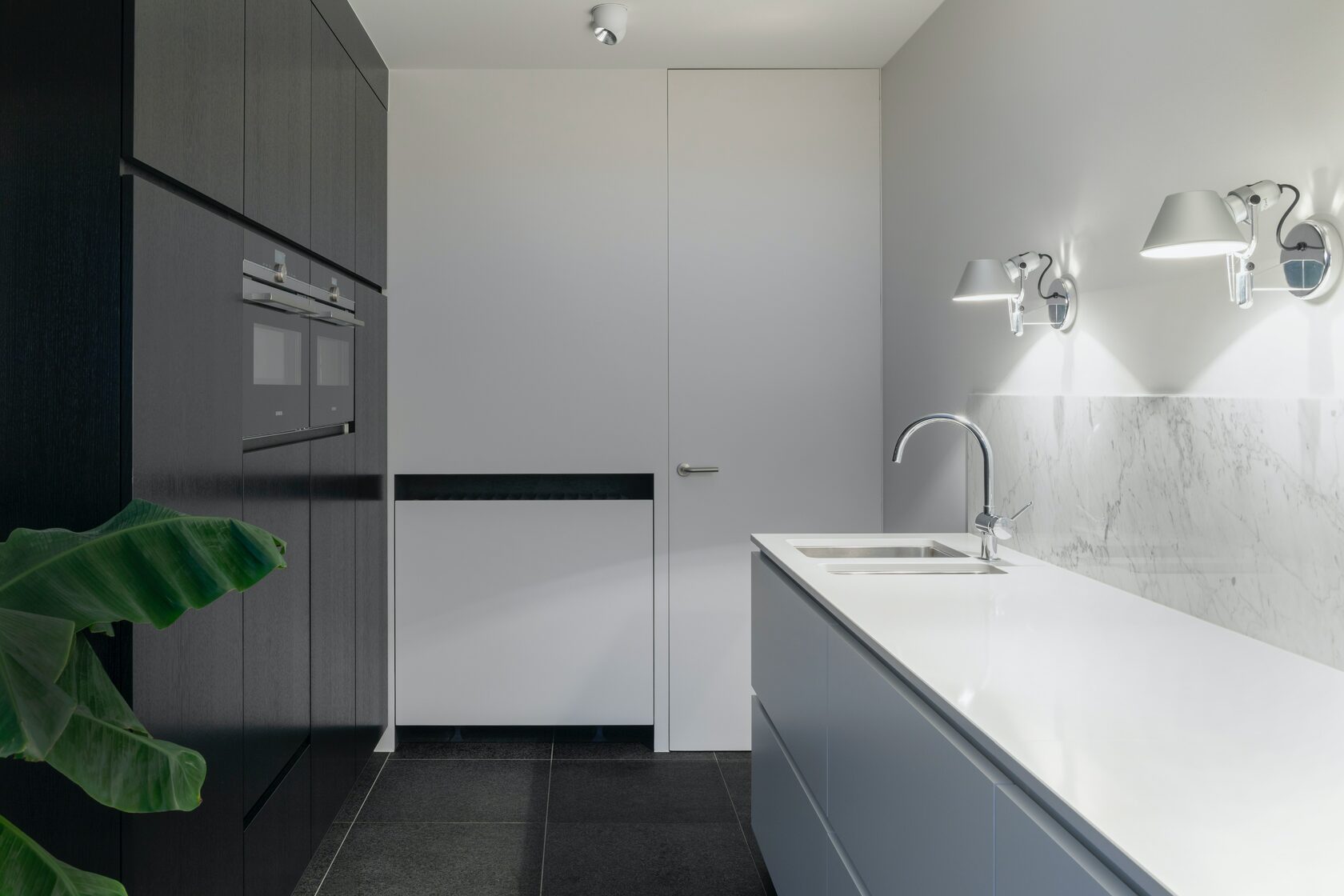
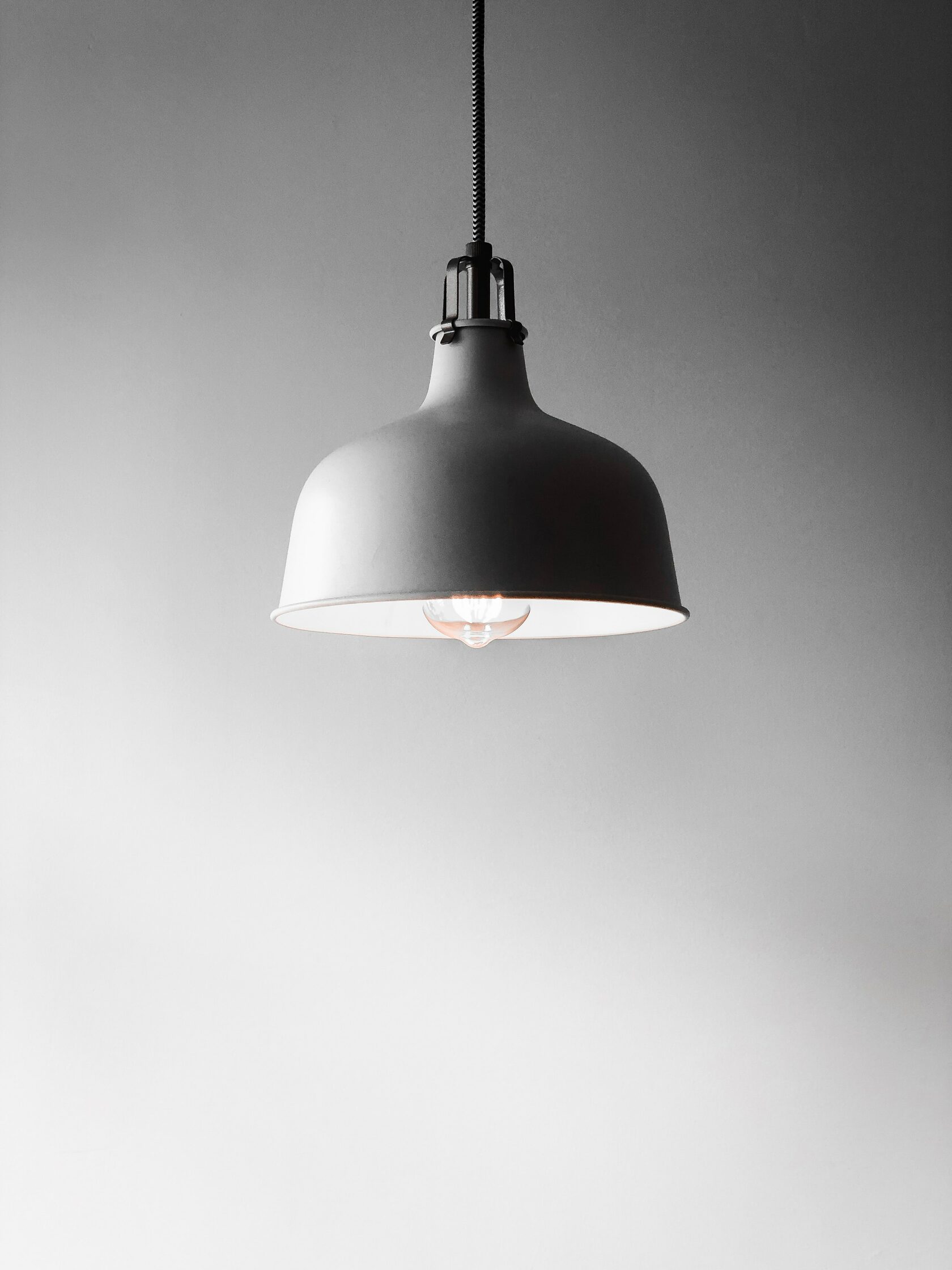
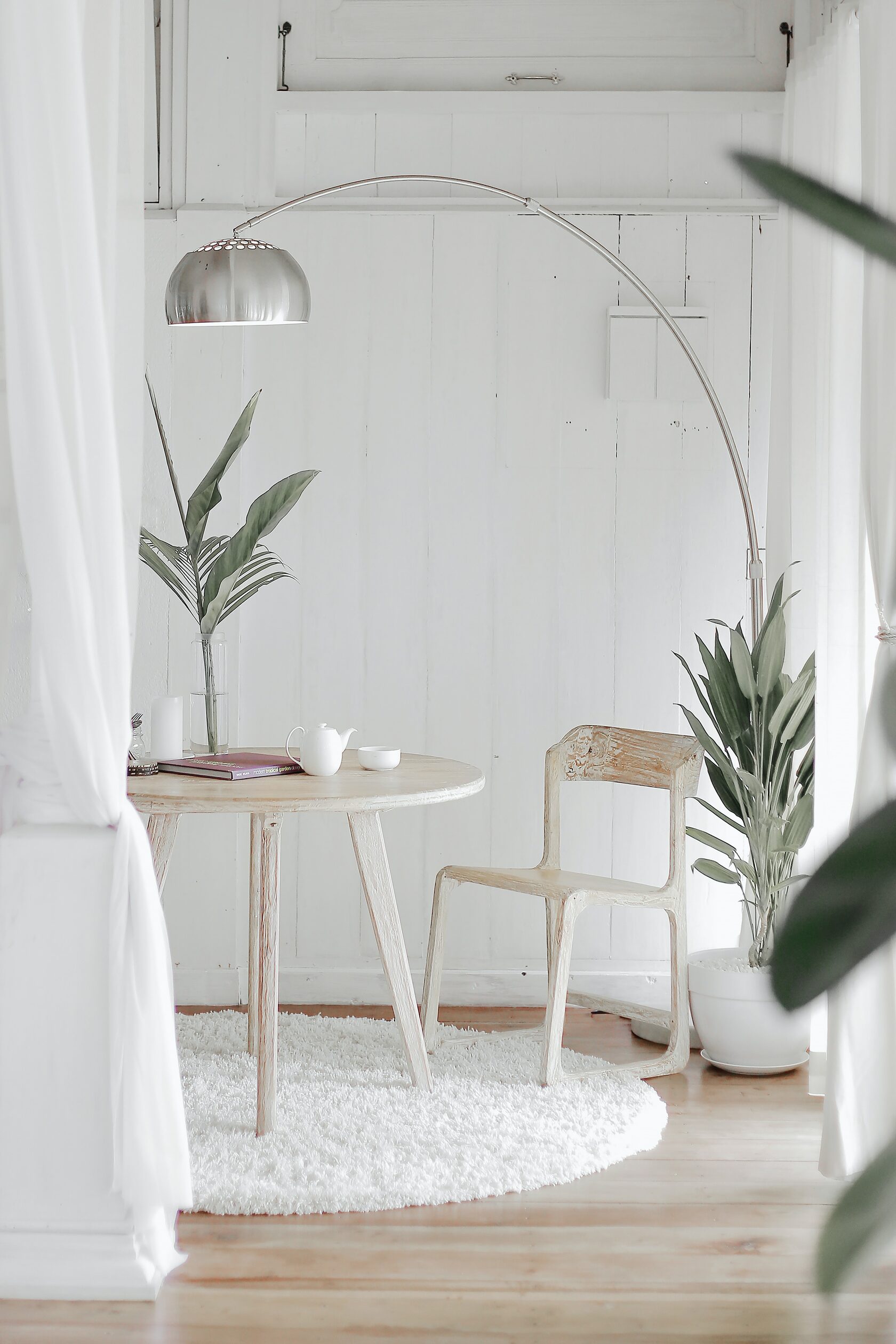
Refusal of excess decor
Monochrome color scheme
Hidden light sources
Closed storage systems
Large windows
Functional furniture, geometric shapes
A lot of free space
Use of natural materials
Refusal of excess decor is one of the main features of style. There is no place for statuettes, pillows and other trinkets. The exception is two or three paintings of the corresponding style with simple frames.
Textiles in the interior are used rarely. This applies even to window curtains. In extreme cases, windows cover blinds, Roman curtains or Japanese panels are used. The exception remains the bedroom, in it, you can place single-ton bedspreads and pillows.
Textiles in the interior are used rarely. This applies even to window curtains. In extreme cases, windows cover blinds, Roman curtains or Japanese panels are used. The exception remains the bedroom, in it, you can place single-ton bedspreads and pillows.
To create a harmonious interior in the style of minimalism, designers use only two or three main tones. The white, light grey, beige and brown shades are mainly used: they fill the space with light.
As for artificial lighting, the light sources should be hidden. Soffits, multi-level ceilings with backlight, etc. will come to the rescue. It is possible to use laconic luminaires, floor lamps or chandeliers of simple geometric shapes.
Best practice in the minimalistic interior is when the storage systems are hidden - only a few worthwhile things remain insight, reflecting the individuality of the owner. For example, the ideal solution for the bedroom will be a spacious wardrobe, mounted on the wall.
Much attention is paid to natural light. Large windows are a great way to create spacious airspace. In extreme cases, horizontal or vertical blinds are used.
In an ideal minimalistic interior, furniture occupies only 20% of the space. Its main features are simplicity of forms, simple natural materials and functionality. The combination of several functions in one piece of furniture (sofa bed, transformer table) helps to relieve space. For the same purpose, the room is often equipped with embedded equipment.
The ceiling in the style of minimalism does not involve any complex designs. The simplest solution is to paint it.
When decorating walls, concrete, glass, natural stone with pronounced relief are used. You can lick them with texture plaster or paste them with one-ton wallpapers without drawing. Despite the eloquent name of the style, there are many options.
The floor is decorated with laminate, parquet or porcelain tiles. The rules are the same: lack of drawings and ornaments, neutral shades, single-ton materials.
When decorating walls, concrete, glass, natural stone with pronounced relief are used. You can lick them with texture plaster or paste them with one-ton wallpapers without drawing. Despite the eloquent name of the style, there are many options.
The floor is decorated with laminate, parquet or porcelain tiles. The rules are the same: lack of drawings and ornaments, neutral shades, single-ton materials.
Minimalism prefers natural materials: stone, wood, leather, linen fabrics, etc. Often, they are not being processed, focusing on rough texture (brick, concrete, plastering). The use of metal makes the interior more modern.
Minimalism permits the combination of natural materials with artificial ones. The main thing is to find a balance between them. Particular attention is directed to the combination of glossy surfaces with polished, and wood - with plastic.
Minimalism permits the combination of natural materials with artificial ones. The main thing is to find a balance between them. Particular attention is directed to the combination of glossy surfaces with polished, and wood - with plastic.
Wood in the minimalistic interior
Functional minimalistic bathroom
Simple chandelier
Interior
Fashion
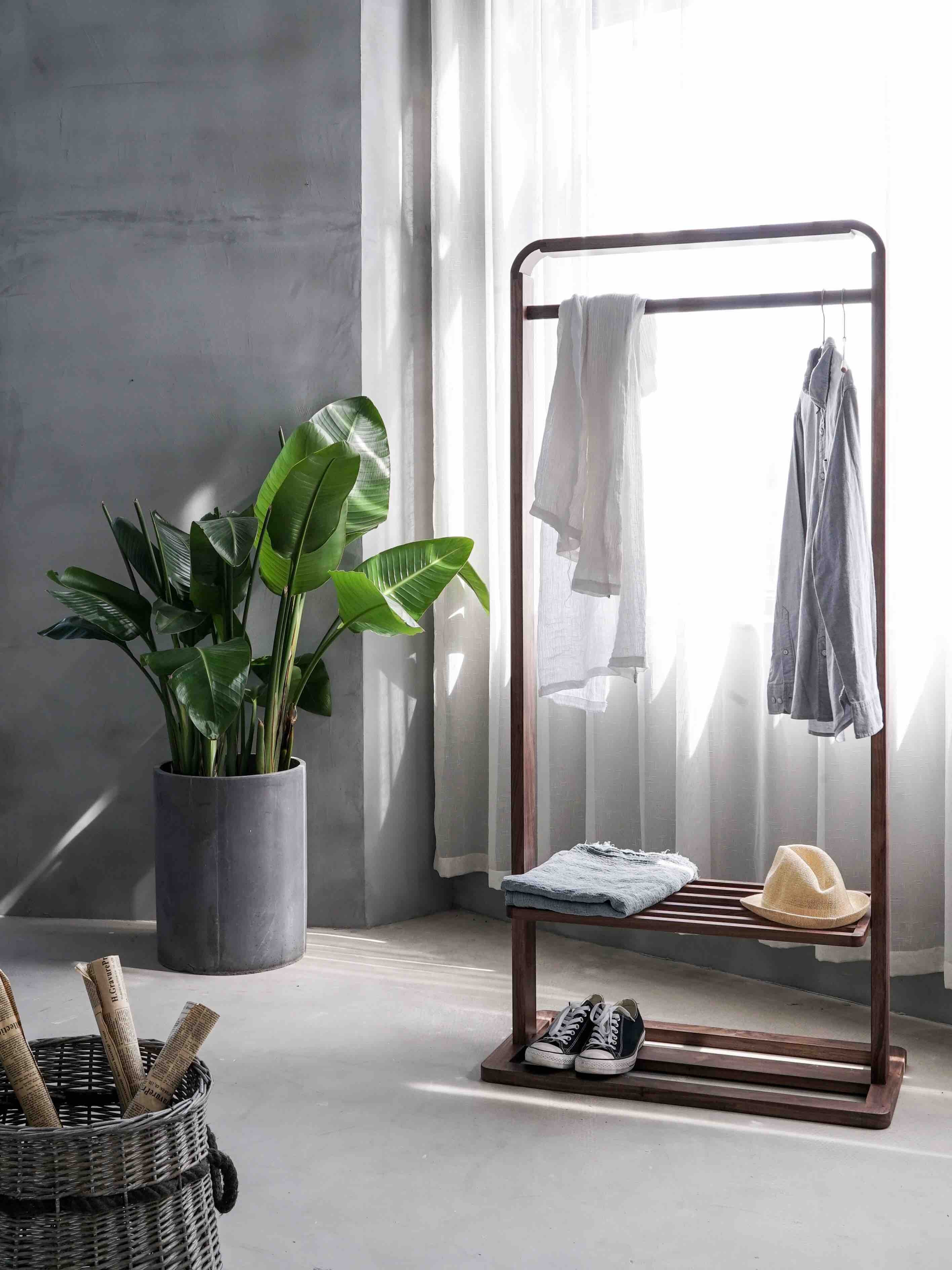
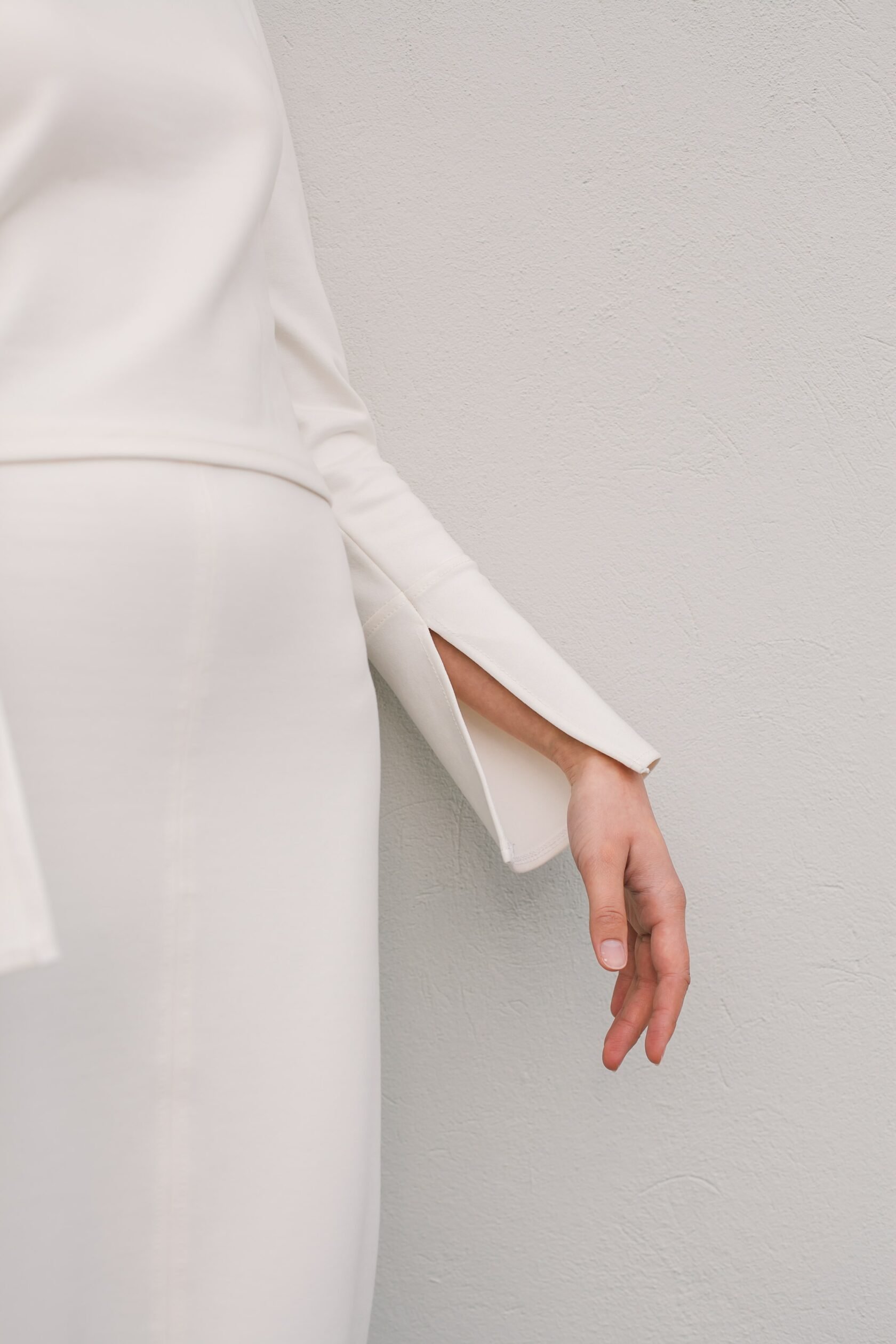
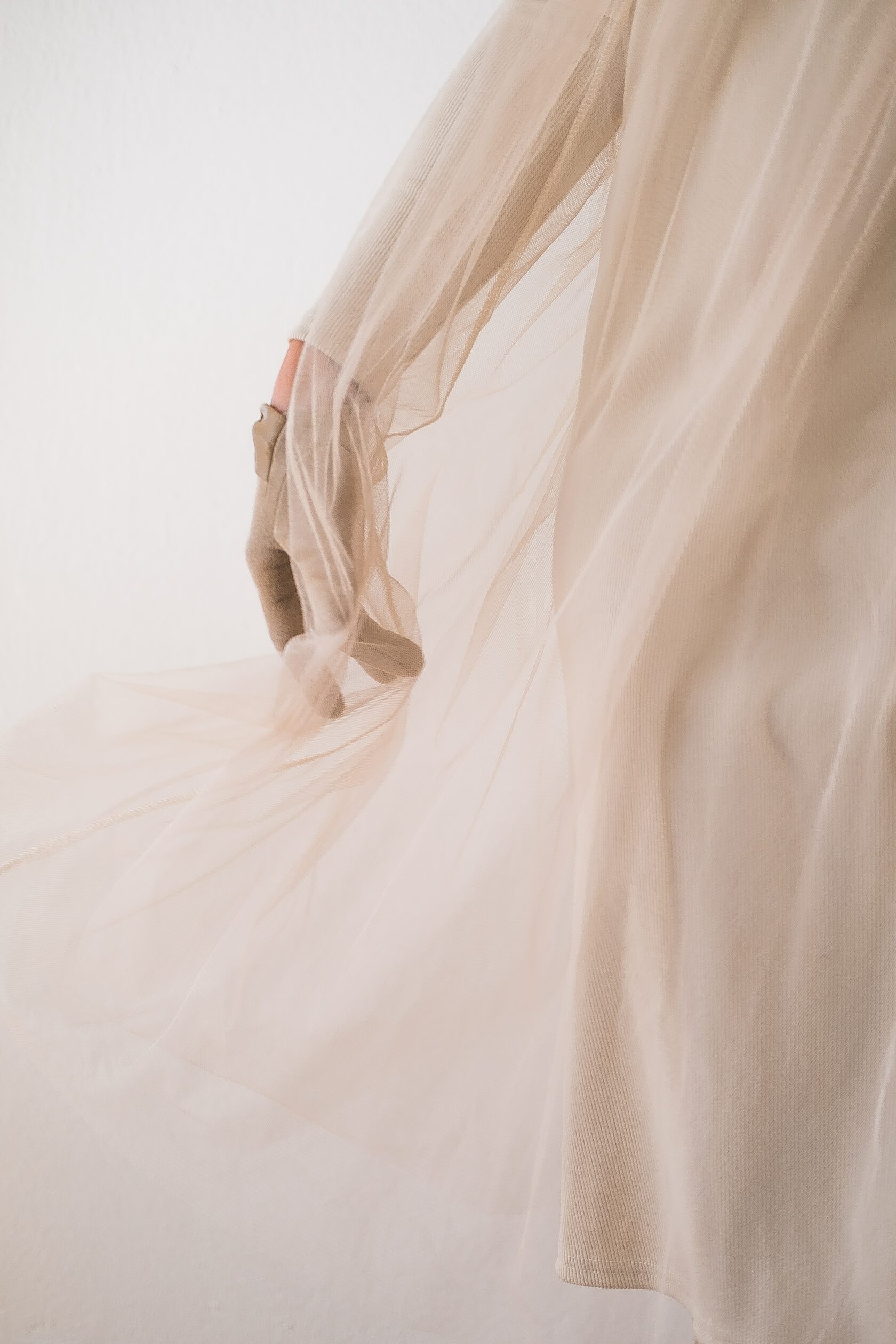
Minimalism in clothes is represented by:
• simple cut - a minimum of design and decorative elements;
• direct, adjacent, semi-adjacent, A-silhouette, oversize ;
• no more than two colors in clothes, lack of bright prints.
It is believed that the trend of minimalism in fashion appeared thanks to Coco Chanel in the 20s of the last century. The great French woman made great changes by introducing simple and concise things into everyday life. Men's trousers, a skirt and jacket costume, a cardigan or a “small black dress” - now the basis of the basic women's wardrobe.
The main conditions for maintaining the style of minimalism in clothing remain practicality and the lack of unnecessary details.
• simple cut - a minimum of design and decorative elements;
• direct, adjacent, semi-adjacent, A-silhouette, oversize ;
• no more than two colors in clothes, lack of bright prints.
It is believed that the trend of minimalism in fashion appeared thanks to Coco Chanel in the 20s of the last century. The great French woman made great changes by introducing simple and concise things into everyday life. Men's trousers, a skirt and jacket costume, a cardigan or a “small black dress” - now the basis of the basic women's wardrobe.
The main conditions for maintaining the style of minimalism in clothing remain practicality and the lack of unnecessary details.
Nowadays, clothes are not only an object that saves from bad weather. Today, the things we wear are nonverbal dialogue with other people and the opportunity to express our individuality.
Clothing affects our thoughts and feelings, our perception of ourselves, how others react to us.
Clothing affects our thoughts and feelings, our perception of ourselves, how others react to us.
The basic ones will be pantsuits, simple dresses on straps or with a long sleeve, T-shirts, straight skirts and T-shirts.
Common textures - soft wool, knitwear, cotton, silk, satin and leather.
Decor in this style is unacceptable since minimalism implies a philosophical concept of pure contemplation of form.
Receptions such as multi-layered or even architectural are appropriate here, but it is important to maintain the clarity of lines, clean planes. In this case, the images must be monochrome or achromatic.
In rare cases, the exact range is weakened by shades of blue, earthy brown, blue or coral.
Common textures - soft wool, knitwear, cotton, silk, satin and leather.
Decor in this style is unacceptable since minimalism implies a philosophical concept of pure contemplation of form.
Receptions such as multi-layered or even architectural are appropriate here, but it is important to maintain the clarity of lines, clean planes. In this case, the images must be monochrome or achromatic.
In rare cases, the exact range is weakened by shades of blue, earthy brown, blue or coral.
*
*
*
*
*
Natural fabrics
Perfectly seated clothes, attention to detailes
The principle of a minimalist wardrobe: one unit - many outfits
Fashion
Books
Books
6
5
4
3
2
1
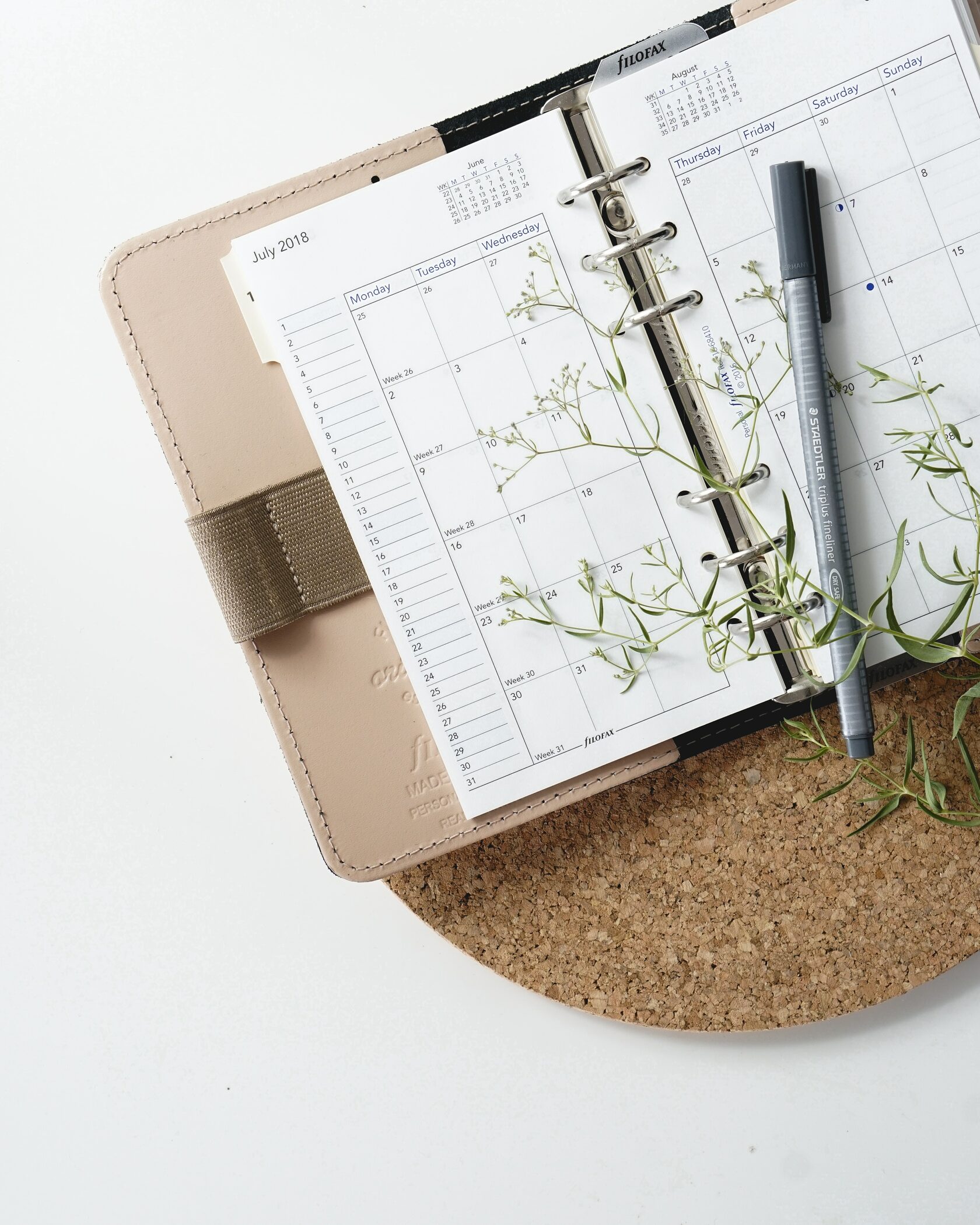

"Project 333". Fashionable shuttle for putting things in order in the wardrobe and life. Courtney Carver
"Ikigai: Japanese art of finding happiness and meaning in daily life". Bettin Lemke.
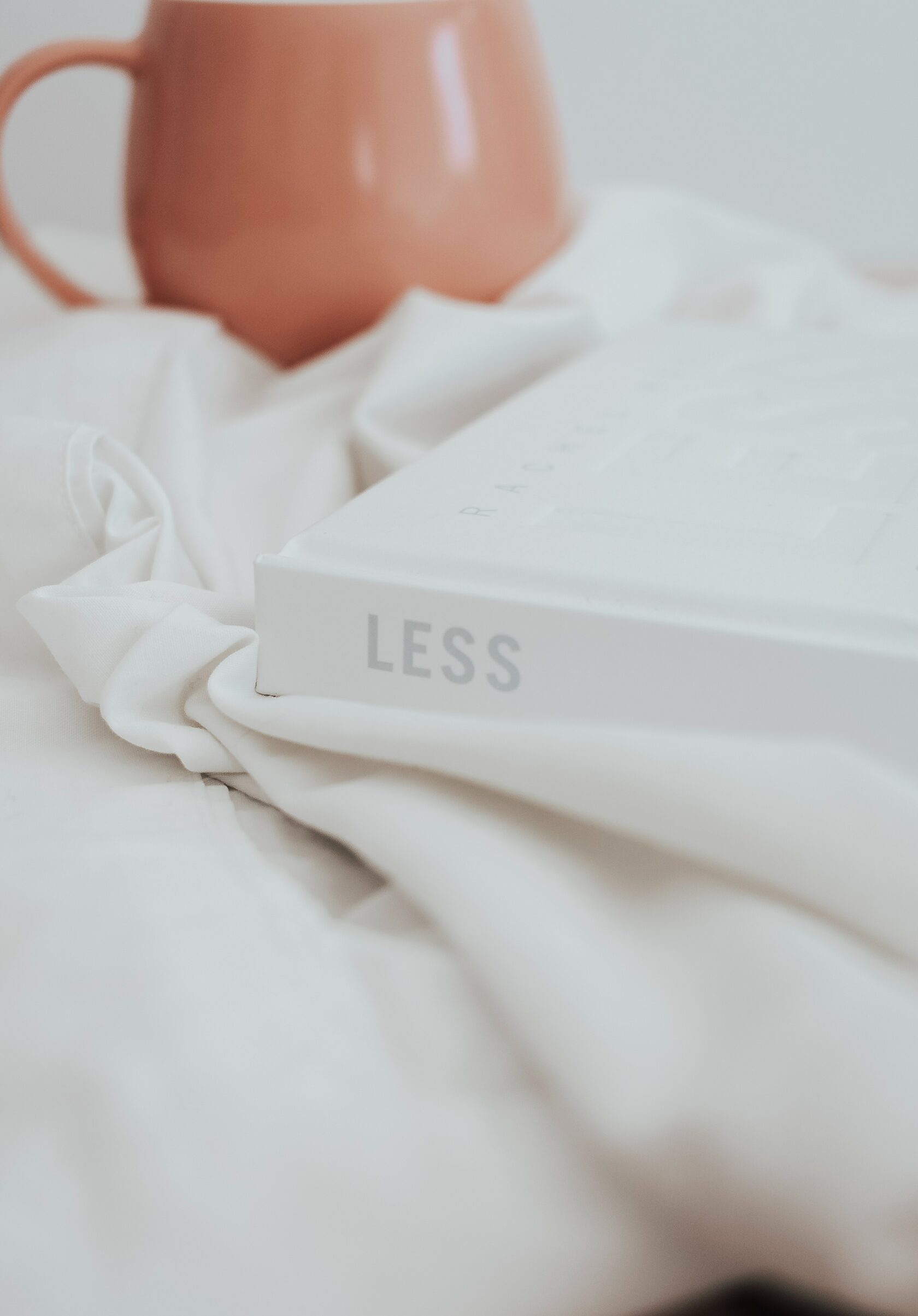
"Less means more". Joshua Becker
"The Year of Less". Cait Flanders
"Essentialism: the path to simplicity". Greg McCown
"Magical cleaning. The Japanese art of putting things in order at home and the life". Marie Kondo
Hundreds of books about minimalism have been written to this day. So, if you want to learn more about minimalism, here are 6 of them that concern different areas of life.
"Project 333" is an invitation to create free space in your closet, extra time in your life and love in your heart. This challenge is a call for less and a chance to completely reconsider your relationship with things and shopping, especially with the items of clothing that you wear every day. "Project 333" is an opportunity to think differently, dress differently and find out what you want to have and what you need in your wardrobe and your life.
Ikigai is a state of happiness from the acquired meaning of life, the feeling characteristic of Japanese long-livers. Studies have proven: the more Ikigai man has, the longer he will live, and his life will be bright and exciting.
The most authoritative English-speaking minimalist blogger describes how he came to the idea of minimalism and what has changed in his life. With a decrease in the number of things, Joshua’s life has become more conscious and happy, and there has been more space, time and money.
In this book, a millennial blogger talks about how she once realized that her whole life is devoted to "how to make more money to spend more". Kate decided to break the vicious circle - she set herself a shopping ban for a year. And during the year, Kate bought nothing but the necessary food, gasoline and hygiene items. For a year, she got rid of 70% (!) of her things, learned how to repair, and came to a conscious lifestyle.
This book is about a way how to free yourself from many excesses and concentrate on the most important things. Author believes that many opportunities are valuable to us, only because of the effect of ownership, that we take on additional obligations due to the inability to say "no" and our effectiveness suffers from the inability to set specific goals.
The author of this book was a strange child. Instead of engaging in children's games, she liked cleaning. Her parents thought that she would be a good housewife, but in her 30th Marie Kondo is the world's most sought-after law enforcement consultant and author of the revolutionary CONMARI CLEAN METHOD.
The minimalistic glider
Simple book design
The minimalistic book
Thank You!
Created by Anna Turkenich


